
11 Essential Steel Grades Every Engineer Must Know
Home » 11 Essential Steel Grades Every Engineer Must Know
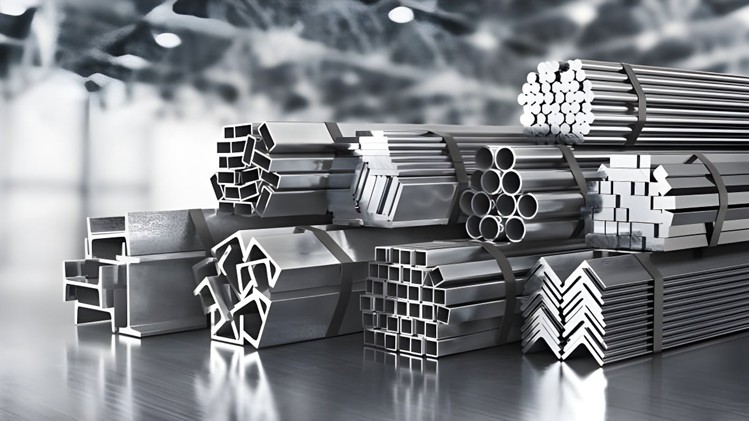
Engineering outcomes depend heavily on informed material choices made early in the design phase. Steel grades influence strength, durability, compliance, and long-term performance across every structure. Steelrise Australia works closely with engineers and builders to ensure each grade selected aligns with load demands, environmental conditions, and Australian standards. Understanding these essential steel grades supports safer construction, efficient fabrication, and reliable structural results across commercial and industrial projects.
Table of Contents
ToggleKey Takeaways
- Steel grade selection impacts safety and longevity
- Australian standards guide compliant use
- Strength, corrosion, and fabrication matter
- Material choice affects project cost
- Engineering intent drives grade selection
Steel remains one of the most widely used engineering materials in Australia, underpinning industries such as construction, mining, manufacturing, transport and infrastructure. Its versatility, strength and cost-effectiveness make it an essential material for engineers across multiple disciplines. However, not all steel is the same. Understanding different steel grades and their properties is critical for selecting the right material for performance, safety and durability.
Below are eleven essential steel grades every engineer should be familiar with, along with their key characteristics and common applications.
1. Carbon Steel (Low, Medium and High Carbon)
Carbon steel is the most common type of steel and is classified based on its carbon content. It offers a balance of strength, ductility and affordability.
Key features include:
- Low cost and wide availability
- Good machinability and weldability (especially low carbon)
- Strength increases with higher carbon content
Carbon steel is widely used in structural components, machinery parts and automotive applications.
2. Mild Steel (AS/NZS 3679 Grade 300)
Mild steel is a low-carbon steel commonly used in Australian construction and fabrication. It is known for its excellent workability and toughness.
Advantages include:
- Easy to weld, cut and form
- Good ductility and impact resistance
- Cost-effective for large-scale projects
It is commonly used in beams, plates, frames and general structural work.
3. Structural Steel (AS/NZS 3678 Grade 250)
Structural steel grades are designed specifically for load-bearing applications. Grade 250 is widely used in Australian infrastructure projects.
Notable properties include:
- Reliable yield strength
- Good weldability for on-site fabrication
- Consistent performance under load
This grade is commonly used in bridges, buildings and industrial structures.
4. Stainless Steel 304
Stainless steel 304 is one of the most widely used stainless grades due to its excellent corrosion resistance and versatility.
Key characteristics include:
- High resistance to corrosion and oxidation
- Good formability and weldability
- Hygienic and easy to clean
It is commonly used in food processing equipment, architectural features and chemical handling systems.
5. Stainless Steel 316
Stainless steel 316 offers enhanced corrosion resistance compared to 304, particularly in harsh and marine environments.
Benefits include:
- Excellent resistance to chlorides and saltwater
- Good strength at elevated temperatures
- Long service life in aggressive conditions
This grade is widely used in marine structures, medical equipment and chemical processing plants.
6. Tool Steel (D2)
Tool steels are designed for high hardness and wear resistance. D2 tool steel is a popular choice for cutting and forming tools.
Key features include:
- High carbon and chromium content
- Excellent wear resistance
- Good dimensional stability after heat treatment
D2 is commonly used for dies, punches and industrial cutting tools.
7. Alloy Steel 4140
Alloy steel 4140 contains chromium and molybdenum, providing a strong combination of toughness, strength and fatigue resistance.
Key advantages include:
- High tensile strength and impact resistance
- Good heat treatment response
- Suitable for high-stress applications
This grade is commonly used in shafts, gears, bolts and heavy-duty machinery components.
8. High-Strength Low-Alloy Steel (HSLA)
HSLA steels are engineered to provide higher strength than conventional carbon steels while maintaining good formability.
Benefits include:
- Higher strength-to-weight ratio
- Improved corrosion resistance compared to carbon steel
- Reduced material weight without sacrificing strength
HSLA steels are commonly used in bridges, pipelines and automotive structures.
9. Weathering Steel (Corten Steel)
Weathering steel is designed to form a protective rust layer that reduces further corrosion, making it suitable for exposed environments.
Key properties include:
- Natural corrosion resistance without coatings
- Reduced maintenance requirements
- Distinctive aesthetic appearance
It is often used in bridges, architectural facades and outdoor structures.
10. Spring Steel (EN 10270)
Spring steel is designed to withstand repeated stress and deformation without permanent damage.
Key characteristics include:
- High yield strength and elasticity
- Excellent fatigue resistance
- Ability to return to the original shape
Spring steel is widely used in suspension systems, springs and vibration control components.
11. Galvanised Steel
Galvanised steel is carbon steel coated with zinc to protect against corrosion, making it ideal for outdoor and high-moisture environments.
Advantages include:
- Excellent corrosion resistance
- Long service life with minimal maintenance
- Cost-effective protection method
It is commonly used in fencing, roofing, handrails and infrastructure projects.
Why Steel Grade Knowledge Matters?
Incorrect grade selection can lead to:
- Structural inefficiencies
- Premature corrosion
- Compliance issues
- Increased lifecycle costs
Engineers rely on material certainty to deliver safe, durable structures that meet Australian regulations.
Steelrise Australia: Precision Steel Built for Australian Projects
Steelrise Australia delivers structural steel fabrication and installation services aligned with engineering intent, project timelines, and Australian compliance standards. Every component is produced with accuracy, consistency, and a clear focus on long-term performance across commercial and industrial builds.
- Fabrication aligned with certified engineering drawings
- Compliance with Australian Standards and site requirements
- Experience across commercial, industrial, and infrastructure projects
- Reliable delivery, clear communication, and quality-controlled processes
Conclusion
Understanding steel grades is fundamental to sound engineering and long-term project performance. From structural frames to corrosion-resistant finishes, the right steel grade ensures reliability, compliance, and efficiency. If your project requires precision-fabricated steel backed by Australian standards, contact us today to discuss your engineering requirements with confidence.
FAQs:
What is the most commonly used steel grade in Australia?
Mild steel and Grade 300 structural steel are widely used due to their strength and compliance.
Why are Australian steel standards important?
They ensure safety, consistency, and regulatory compliance across construction projects.
Is stainless steel always better than carbon steel?
No. Stainless steel is chosen for corrosion resistance, not structural efficiency alone.
What steel grade is best for coastal environments?
Stainless Steel 316 or galvanised steel is commonly specified due to corrosion resistance.
Can one project use multiple steel grades?
Yes. Different components often require different grades based on performance needs.
Does Steelrise Australia fabricate to engineering drawings?
Yes. All fabrication is aligned with certified drawings and Australian standards.

SteelRise Australia delivers high-quality structural steel solutions built for strength, safety, and long-lasting performance.
Quick Links
Our Company
- Office Hours: 8am- 5pm
- info@steelriseaus.com
- 1300 901 701
-
Head Office:
1/16 Bernera Road, Prestons NSW 2170