
9 Expert Tips to Maximise Structural Steel Strength & Durability
Home » 9 Expert Tips to Maximise Structural Steel Strength & Durability
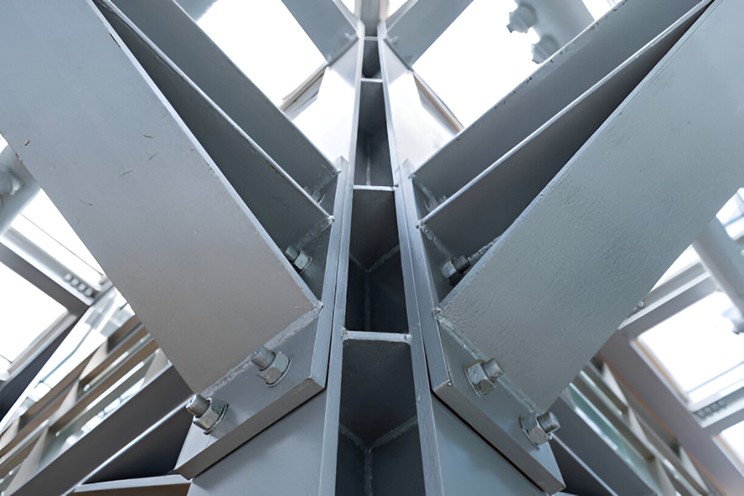
Structural steel plays a critical role in safety, load control, and long-term building performance. Strength and durability are shaped by how steel is specified, protected, and installed across each project stage. Steelrise Australia delivers structural steel solutions built around accuracy, compliance, and controlled execution. When expert practices are applied consistently, steel structures maintain integrity, resist environmental stress, and perform reliably over decades.
Table of Contents
ToggleKey Takeaways
- Steel grade must suit the environment
- Precision design improves performance
- Fabrication quality protects strength
- Coatings extend service life
- Ongoing maintenance supports durability
Structural steel is the backbone of Australia’s construction and infrastructure sectors. From commercial buildings and bridges to industrial facilities and warehouses, steel is relied upon for its high strength, flexibility, and long service life. However, achieving maximum performance from structural steel doesn’t happen by chance. It requires informed decisions at every stage, from design and fabrication through to installation and ongoing maintenance.
Below are nine expert-backed tips to help maximise the strength and durability of structural steel, ensuring safer structures, longer lifespans, and better value over time.
1. Choose the Right Steel Grade for the Application
Not all steel is created equal. Selecting the appropriate steel grade is critical to ensuring the structure can handle the required loads, stresses, and environmental conditions.
When choosing steel grades, consider:
- Load-bearing requirements and design stresses
- Exposure to corrosion, moisture, or chemicals
- Temperature variations and fatigue demands
- Compliance with Australian Standards
Using steel that is under-specified can compromise safety, while over-specifying increases costs without adding real benefits.
2. Prioritise Accurate Structural Design
A well-engineered design is fundamental to steel performance. Accurate calculations ensure that steel members work efficiently without unnecessary stress or deformation.
Key design considerations include:
- Proper load distribution across beams and columns
- Allowance for wind, seismic, and dynamic loads
- Minimising stress concentrations at connections
- Designing for future modifications or load increases
Engaging experienced structural engineers early in the project significantly improves long-term strength and reliability.
3. Use High-Quality Fabrication Practices
Even the best steel can underperform if fabrication quality is poor. Precision during cutting, welding, and assembly directly impacts structural integrity.
Best fabrication practices involve:
- Adhering strictly to approved shop drawings
- Using certified welders and controlled welding procedures
- Avoiding excessive heat input that weakens steel
- Ensuring clean, accurate cuts and fit-ups
Quality-controlled fabrication reduces defects that could later develop into cracks or failures.
4. Protect Steel from Corrosion Early
Corrosion is one of the biggest threats to steel durability, particularly in Australia’s coastal, industrial, and high-humidity environments. Proactive corrosion protection can extend the life of structural steel by decades.
Effective protection methods include:
- Hot-dip galvanising for long-term exposure
- Protective paint or coating systems
- Weathering steel where appropriate
- Designing to prevent water pooling and trapped moisture
Early investment in corrosion protection is far more cost-effective than repairs or replacements later.
5. Pay Close Attention to Connections and Fasteners
Connections are often the most critical, and vulnerable, points in a steel structure. Poorly designed or installed connections can undermine the strength of the entire system.
Experts recommend:
- Using high-strength bolts or properly specified welds
- Ensuring correct bolt tensioning and alignment
- Avoiding stress concentrations at joints
- Regular inspection of critical connection points
Strong members mean little if the connections between them are weak.
6. Ensure Proper Installation and Erection
Even perfectly designed and fabricated steel can lose strength if installation is rushed or incorrect. On-site practices play a major role in structural performance.
During erection, teams should:
- Follow engineered lifting and bracing procedures
- Avoid overloading partially completed structures
- Maintain correct alignment and tolerances
- Protect steel from damage during handling
Proper sequencing and supervision during installation help preserve steel’s designed strength.
7. Design for Environmental and Operational Conditions
Structural steel must perform under real-world conditions, not just theoretical loads. Environmental exposure and operational use can significantly affect durability.
Designs should account for:
- Temperature expansion and contraction
- Fatigue from repeated loading or vibration
- Chemical exposure in industrial settings
- Bushfire or extreme weather risks
Considering these factors early helps prevent premature wear, cracking, or deformation.
8. Implement Regular Inspection and Maintenance
Durability doesn’t end once construction is complete. Ongoing inspection and maintenance are essential to maintaining steel strength over its service life.
A strong maintenance programme includes:
- Routine visual inspections for corrosion or damage
- Checking coatings and protective systems
- Monitoring high-stress or high-load areas
- Prompt repair of minor issues before they escalate
Regular upkeep ensures small problems don’t become major structural failures.
9. Work with Experienced Steel Professionals
One of the most effective ways to maximise steel performance is to work with experienced engineers, fabricators, and installers who understand Australian conditions and standards.
Experienced professionals bring:
- Practical knowledge of material behaviour
- Familiarity with compliance and certification requirements
- Proven quality control processes
- Insight into long-term performance and durability
Expert involvement reduces risk, improves efficiency, and delivers better structural outcomes.
Building Stronger, Longer-Lasting Steel Structures
Maximising the strength and durability of structural steel requires a holistic approach. It’s not just about the material itself, but how it’s designed, fabricated, protected, installed, and maintained over time.
By following these nine expert tips, Australian construction and engineering professionals can:
- Improve structural safety and performance
- Extend the lifespan of steel assets
- Reduce maintenance and repair costs
- Deliver more sustainable and resilient projects
Structural steel remains one of the most reliable building materials available. When used wisely and managed properly, it provides unmatched strength and durability for Australia’s built environment, now and into the future.
Why Structural Steel Performance Matters?
Structural steel forms the backbone of commercial, industrial, and infrastructure buildings. When strength and durability are optimised, structures perform reliably under load, resist environmental stress, and maintain compliance throughout their lifecycle. When overlooked, even high-grade steel can suffer from premature wear, corrosion, or fatigue. These issues often lead to increased maintenance, operational disruption, and avoidable costs across the asset lifespan.
Improving performance is not about excess material or conservative design. It is about using steel correctly, protecting it properly, and ensuring each stage of the build process supports long-term stability and reliability.
Strong structural steel performance delivers:
- Consistent load-bearing capacity over time
- Reduced maintenance and repair requirements
- Improved compliance with Australian building standards
Conclusion
Maximising structural steel strength and durability requires attention at every stage, from design through to long-term maintenance. When steel is selected carefully, fabricated accurately, protected correctly, and installed with discipline, performance follows naturally. If your project demands reliable structural steel outcomes, contact us today. Our team delivers steel solutions built for strength, durability, and long-term confidence.
FAQs:
What affects structural steel durability the most?
Environmental exposure, coating quality, and fabrication accuracy have the greatest influence on structural steel durability.
Does higher-grade steel always mean better strength?
Not necessarily. Structural steel must be selected to match load conditions and application requirements, not grade alone.
How long does structural steel last?
With proper design, protection, and maintenance, structural steel can perform effectively for several decades.
Can corrosion be fully prevented?
Corrosion cannot be eliminated entirely, but it can be controlled through suitable coatings and regular maintenance, even in harsh environments.
Are welded connections stronger than bolted ones?
Both welded and bolted connections can perform equally well when they are properly designed and installed.
How often should structural steel be inspected?
Inspection frequency depends on exposure conditions and usage, but regular inspections are recommended throughout the asset lifecycle.

SteelRise Australia delivers high-quality structural steel solutions built for strength, safety, and long-lasting performance.
Quick Links
Our Company
- Office Hours: 8am- 5pm
- info@steelriseaus.com
- 1300 901 701
-
Head Office:
1/16 Bernera Road, Prestons NSW 2170