
7 Proven Methods to Reduce Steel Waste and Boost Sustainability
Home » 7 Proven Methods to Reduce Steel Waste and Boost Sustainability
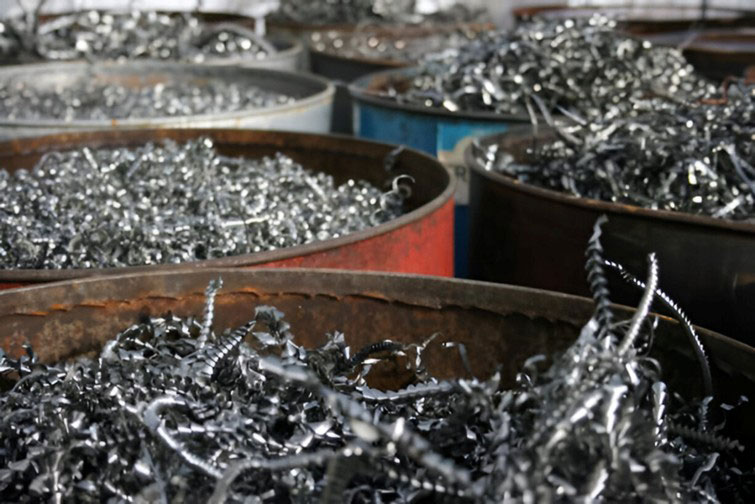
Reducing steel waste has become a practical priority across modern construction projects. Rising material costs, tighter environmental standards, and growing accountability have reshaped how steel is specified, fabricated, and installed. Steelrise Australia supports smarter steel practices through precise planning and controlled execution. By focusing on proven methods, projects can cut unnecessary waste, improve sustainability outcomes, and maintain structural performance without adding complexity or risk.
Table of Contents
ToggleKey Takeaways
- Accurate design reduces unnecessary steel use
- Standard sections limit fabrication waste
- Precision fabrication prevents rework
- Smart procurement avoids surplus material
- Recycling supports long-term sustainability
Steel is one of the most widely used materials across Australia’s construction, manufacturing, and infrastructure sectors. While it’s valued for its strength, durability, and recyclability, steel waste remains a major challenge. Offcuts, design errors, over-ordering, and inefficient handling can all lead to unnecessary waste, driving up costs and increasing environmental impact.
Reducing steel waste isn’t just about doing the right thing for the planet, it also enhances operational efficiency, reduces expenses, and supports broader sustainability objectives. Below are seven proven methods that businesses can adopt to minimise steel waste while boosting long-term sustainability.
1. Optimise Design and Planning from the Start
One of the biggest contributors to steel waste is poor design and inaccurate planning. When drawings are incomplete or overly conservative, excess steel is often ordered “just in case”.
Early collaboration between engineers, designers, and fabricators can significantly reduce waste by ensuring steel is specified accurately and efficiently, while meeting Australian Standards for steel and project compliance requirements.
Key actions include:
- Using precise structural calculations rather than over-engineering
- Standardising beam sizes and profiles where possible
- Designing components to suit available stock lengths
- Minimising complex shapes that increase offcuts
Good planning upfront reduces rework, excess material, and last-minute changes that generate waste.
2. Implement Digital Modelling and BIM Technology
Building Information Modelling (BIM) and digital design tools have transformed how steel is used across Australian projects. These tools allow teams to visualise, measure, and test designs before fabrication begins.
Digital modelling helps reduce waste by:
- Identifying clashes and design errors early
- Improving material take-offs and quantity accuracy
- Allowing precise nesting of steel components
- Reducing on-site cutting and modifications
When steel is fabricated to exact specifications off-site, material usage is more controlled, and waste is significantly reduced.
3. Improve Material Handling and Storage Practices
Steel waste doesn’t only occur during fabrication, it often happens due to damage, corrosion, or misplacement during storage and transport. Poor handling can render perfectly usable steel unusable.
Improving storage and handling practices can prevent avoidable losses:
- Store steel off the ground and protected from moisture
- Clearly label materials to avoid confusion or misuse
- Use proper lifting equipment to prevent bending or damage
- Maintain organised storage areas for easy access and inventory control
Simple improvements in site management can protect material quality and reduce the need for replacements.
4. Train Workers in Waste Reduction Awareness
People play a critical role in reducing steel waste. When workers understand the cost and environmental impact of wasted steel, they’re more likely to handle materials carefully and follow best practices.
Effective training programmes should:
- Educate staff on correct cutting and measuring techniques
- Promote accurate marking and planning before cutting
- Encourage reporting of reusable offcuts
- Reinforce accountability for material usage
Creating a culture of waste awareness helps ensure sustainability goals are embedded into everyday operations.
5. Reuse and Repurpose Steel Offcuts
Not all steel waste needs to be discarded. Many offcuts can be reused in smaller components, temporary works, or future projects if managed properly.
To maximise reuse:
- Sort and catalogue offcuts by size and grade
- Design smaller elements around available offcuts
- Use offcuts for bracing, supports, or non-structural applications
- Establish a central storage area for reusable steel pieces
By treating offcuts as a resource rather than rubbish, businesses can significantly reduce purchasing and disposal costs.
6. Partner with Steel Recycling Programmes
Steel is 100% recyclable, and Australia has a strong recycling infrastructure. However, steel waste must be correctly separated and managed to ensure it actually gets recycled.
Working with reputable recyclers ensures that unused or scrap steel is diverted from landfill and reintroduced into the supply chain.
Best practices include:
- Separating steel waste from other construction debris
- Avoiding contamination with concrete, timber, or plastics
- Scheduling regular scrap collection
- Tracking recycling volumes to measure sustainability performance
Recycling steel not only conserves natural resources but also uses significantly less energy than producing new steel from raw materials.
7. Monitor, Measure, and Continuously Improve
You can’t reduce what you don’t measure. Tracking steel usage and waste provides valuable insights into where inefficiencies occur and where improvements can be made.
Businesses should:
- Record steel ordered versus steel used
- Monitor offcut volumes and scrap rates
- Identify recurring causes of waste
- Set waste reduction targets and review progress regularly
Continuous improvement allows organisations to refine processes over time, delivering both environmental and financial benefits.
The Bigger Picture: Sustainability and Competitive Advantage
Reducing steel waste is no longer just a sustainability initiative, it’s a competitive advantage. Clients, regulators, and investors are increasingly prioritising environmentally responsible practices. Companies that demonstrate efficient material use and waste reduction are better positioned to win projects and meet compliance requirements.
By adopting these seven proven methods, Australian businesses can:
- Lower material and disposal costs
- Improve project efficiency
- Reduce environmental impact
- Strengthen their sustainability credentials
Steel will remain a cornerstone of Australia’s built environment. Using it wisely ensures that we build not only stronger structures but a more sustainable future.
Why Reducing Steel Waste Matters?
Steel is one of the most recyclable building materials in the world, yet waste still occurs through poor planning, inaccurate fabrication, and material damage on-site. Excess offcuts, rework, and surplus orders quietly increase costs and environmental impact. These issues often go unnoticed until budgets are affected and timelines tighten, placing pressure on both delivery and compliance.
Reducing waste is not about limiting quality or performance. It is about precision, coordination, and informed decision-making. When steel usage is controlled from design through to steel installation, projects achieve stronger outcomes across cost, safety, and sustainability.
Key reasons steel waste reduction matters include:
- Lower material and disposal costs
- Reduced environmental footprint across the supply chain
- Improved site efficiency and workflow control
Conclusion
Reducing steel waste is the result of careful planning, skilled fabrication, and disciplined site practices. Sustainable steel use improves project performance, protects margins, and supports responsible construction across Australia. If you are looking to reduce steel waste and improve sustainability outcomes on your next project, contact us today. Our team delivers practical steel solutions built for efficiency, quality, and long-term value.
FAQs:
How much steel waste is typical in construction projects?
Poorly planned construction projects can generate between 5–15% steel waste. Efficient design and accurate fabrication can significantly reduce this amount.
Is recycled steel suitable for structural use?
Yes. When processed correctly, recycled steel retains the same structural strength and performance as newly produced steel.
Does reducing steel waste increase project costs?
No. In most cases, reducing steel waste lowers overall project costs by improving efficiency and reducing rework.
Can steel offcuts be reused safely?
Yes. Steel offcuts can be reused safely when they are properly assessed and meet engineering and compliance requirements.
How does steel waste affect sustainability ratings?
Lower steel waste improves environmental performance and supports stronger sustainability reporting and rating benchmarks.
Why is fabrication accuracy important for sustainability?
Accurate fabrication reduces discarded material, shortens installation time, and improves overall project efficiency.

SteelRise Australia delivers high-quality structural steel solutions built for strength, safety, and long-lasting performance.
Quick Links
Our Company
- Office Hours: 8am- 5pm
- info@steelriseaus.com
- 1300 901 701
-
Head Office:
1/16 Bernera Road, Prestons NSW 2170