
5 Little Known Ways to Speed Up Steel Installation on Site
Home » 5 Little Known Ways to Speed Up Steel Installation on Site
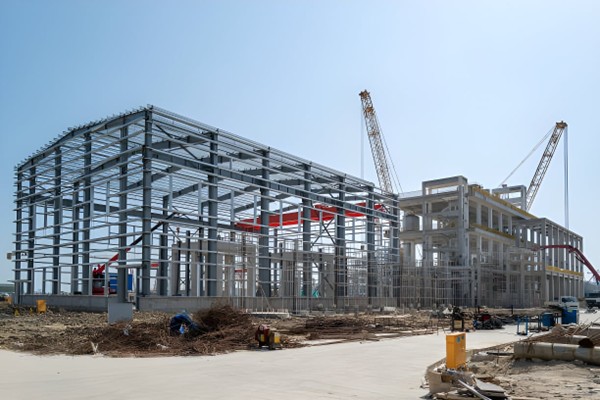
Steel installation timelines are shaped long before the first lift begins on site. Efficient outcomes rely on preparation, sequencing, and practical coordination between workshop and site teams. Steelrise Australia applies structured planning and fabrication methods that reduce downtime, limit rework, and support smooth on-site progress. Understanding these lesser-known installation efficiencies helps builders and engineers maintain momentum, improve safety, and deliver steel structures faster without compromising Australian compliance or build quality.
Table of Contents
ToggleKey Takeaways
- Installation speed starts in fabrication
- Early planning reduces site delays
- Pre-assembly saves time and risk
- Delivery timing affects productivity
- Installer input improves outcomes
Steel installation is a critical phase in many Australian construction and infrastructure projects. Delays during this stage can quickly blow out budgets, disrupt schedules and create flow-on effects for other trades. While most site teams focus on crane capacity, manpower and weather conditions, several lesser-known strategies can significantly speed up steel installation without compromising safety or quality.
Below are five practical yet often overlooked ways to accelerate steel installation on site, helping projects stay on time and on budget.
1. Pre-Assembly and Modularisation Off Site
One of the most effective ways to reduce installation time is to shift as much work as possible away from the construction site. Pre-assembling steel components in a controlled off-site environment can dramatically improve efficiency.
By fabricating and assembling sections such as steel frames, trusses or stair modules before delivery, on-site work becomes more about positioning than construction.
Key advantages include:
- Reduced on-site labour hours
- Fewer delay factors
- Improved accuracy and quality control
For Australian projects facing tight deadlines or remote locations, modularisation can significantly shorten installation programs.
2. Detailed Installation Sequencing and Digital Modelling
Many installation delays occur due to poor sequencing rather than physical limitations. Using detailed installation planning supported by digital modelling can prevent these issues before steel ever arrives on site.
Modern 3D models and construction sequencing tools allow teams to visualise each lift and connection in advance. This reduces confusion and rework during installation.
Benefits of improved sequencing include:
- Clear lift plans for cranes and rigging crews
- Reduced clashes with temporary works or other trades
- Faster decision-making on site
Even minor adjustments in steel erection sequence can save days over the course of a large project.
3. Standardised Connections and Fixings
Connection detailing is often underestimated when it comes to installation speed. Using standardised bolts, plates and connection types can significantly reduce time spent aligning and fixing steel members.
When crews are familiar with consistent connection details, installation becomes faster and safer. It also reduces the likelihood of errors or missing components.
Standardisation helps by:
- Minimising tool changes on site
- Reducing confusion between connection types
- Speeding up inspections and sign-off
Early coordination between engineers, fabricators and installers is essential to maximise these benefits.
4. Improved Site Logistics and Laydown Planning
Steel installation is heavily influenced by how materials are delivered, stored and accessed on site. Poor logistics can lead to unnecessary handling, double lifting and wasted crane time.
Careful planning of delivery schedules and laydown areas ensures steel is installed in the correct order and location.
Effective logistics planning includes:
- Delivering steel in the installation sequence
- Clearly labelling members for quick identification
- Positioning laydown areas close to lift zones
In busy Australian construction sites with limited space, smart logistics planning can make a noticeable difference to installation speed.
5. Investing in Skilled Installation Crews and Early Training
While equipment and planning are important, the experience and coordination of the installation crew remain critical. Skilled steel installers who understand drawings, tolerances and sequencing can work far more efficiently.
Providing early training and site-specific briefings ensures everyone understands the installation plan before work begins.
Crew-focused improvements include:
- Pre-start meetings focused on daily lift targets
- Clear communication between riggers, crane operators and supervisors
- Ongoing skills development and safety training
A well-trained team not only installs steel faster but also reduces the risk of costly mistakes or incidents.
Why These Methods Are Often Overlooked
Many of these strategies are overlooked because they require upfront planning rather than reactive problem-solving. In fast-paced construction environments, teams often default to familiar methods rather than investing time early to optimise installation.
However, Australian projects are increasingly under pressure to deliver faster, safer and more cost-effective outcomes. Adopting these lesser-known approaches can provide a competitive advantage.
Common reasons they are missed include:
- Limited early collaboration between stakeholders
- Tight design and procurement timelines
- Underestimating the impact of logistics and sequencing
- Recognising these challenges is the first step toward improving installation efficiency.
Balancing Speed with Safety and Quality
While speeding up steel installation is important, it should never come at the expense of safety or quality. Each of the methods above supports safer work practices by reducing manual handling, rework and on-site complexity.
Key safety considerations include:
- Maintaining clear lift plans and exclusion zones
- Ensuring all connections meet engineering requirements
- Conducting regular inspections and toolbox talks
When properly implemented, faster installation often leads to safer outcomes.
Why Faster Installation Does Not Mean Rushed Work?
Speed without structure leads to mistakes. Faster installation is achieved through clarity, preparation, and coordination, not shortcuts.
Well-planned steel installation delivers:
- Reduced labour hours
- Fewer site disruptions
- Lower rework risk
- Improved safety outcomes
When steel is fabricated, delivered, and installed as part of a single workflow, timelines shorten naturally.
Where Steelrise Australia Fits In
Steelrise Australia provides end-to-end steel services that support faster installation outcomes through:
- Fabrication aligned with erection sequencing
- Early constructability input
- Controlled workshop pre-assembly
- Coordinated delivery and installation
This integrated approach helps builders and engineers maintain momentum on site without compromising compliance.
Conclusion
Steel installation speed is determined long before the steel reaches the site. When fabrication, sequencing, delivery, and installation are aligned, projects move faster without added risk. If your project requires steel that installs efficiently and performs reliably, contact us to discuss a coordinated steel solution built for Australian construction conditions.
FAQs:
What causes most steel installation delays on site?
Delays often result from poor sequencing, unclear connections, and delivery timing issues rather than installation skill.
Can steel be fabricated to suit the installation order?
Yes. Steel can be fabricated and delivered in stages to match erection sequencing.
Is pre-assembly always possible?
Not always, but repeating or modular elements are often suitable for off-site assembly.
Does faster installation increase safety risks?
No. Proper planning reduces risk by limiting unnecessary handling and working at height.
When should installers be involved in planning?
Ideally, during early design or pre-fabrication stages to improve constructability.
Does Steelrise Australia manage installation as well as fabrication?
Yes. Steelrise Australia provides fabrication and installation services aligned to project requirements.

SteelRise Australia delivers high-quality structural steel solutions built for strength, safety, and long-lasting performance.
Quick Links
Our Company
- Office Hours: 8am- 5pm
- info@steelriseaus.com
- 1300 901 701
-
Head Office:
1/16 Bernera Road, Prestons NSW 2170